


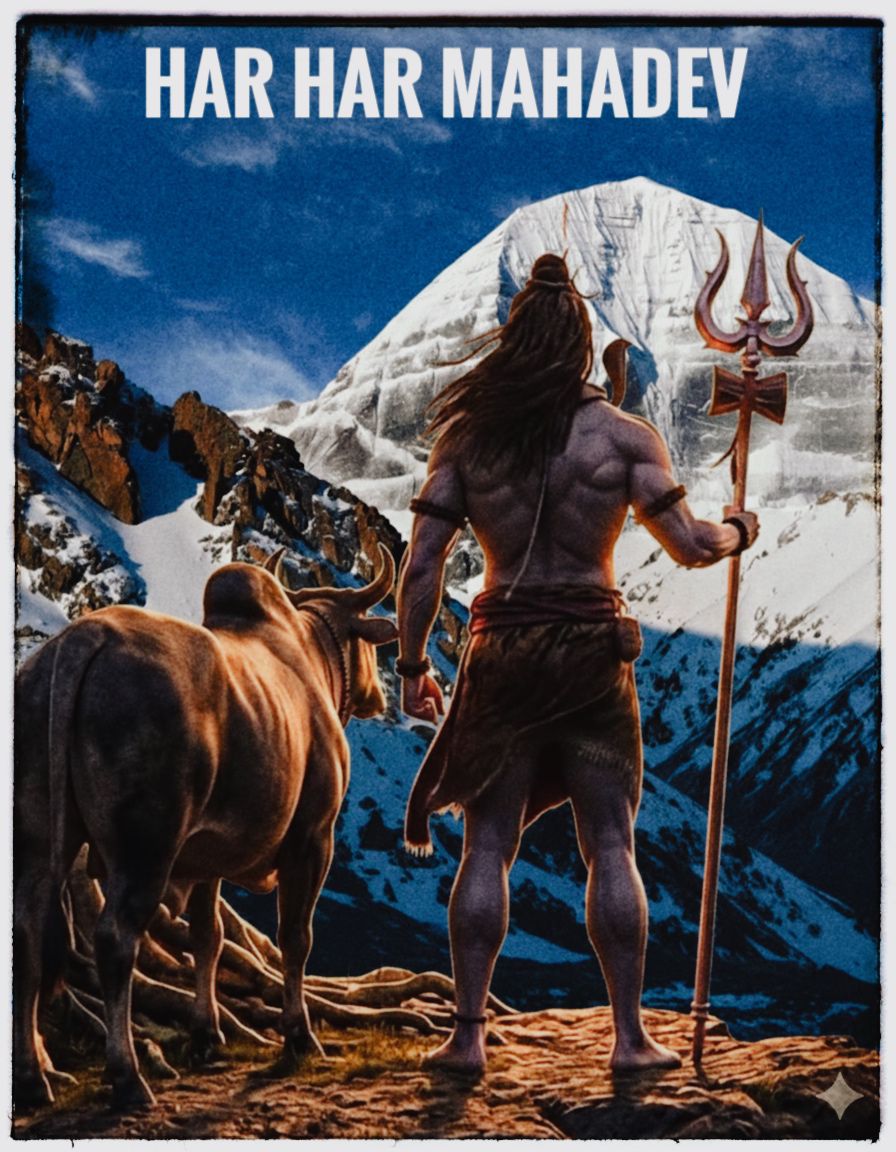
A Sacred Journey Beyond Adventure
The Kailash Mansarovar Yatra is not simply a trek in the Himalayas — it is one of the most spiritually powerful pilgrimages on Earth. Located in the remote region of western Tibet (Ngari Prefecture), Mount Kailash rises to 6,638 meters and is revered across multiple faith traditions.
For thousands of years, seekers, monks, yogis, and pilgrims have journeyed here in search of purification, liberation, and inner awakening.
-
Why Mount Kailash Is Sacred to Four Religions
Unlike other Himalayan peaks, Mount Kailash has never been climbed. The mountain is considered too sacred to conquer.
Hinduism
For Hindus, Kailash is the eternal home of Lord Shiva and Goddess Parvati. It represents Mount Meru — the cosmic center of the universe. Completing the Parikrama is believed to erase accumulated karma.
Buddhism
Tibetan Buddhists call it Kang Rinpoche, meaning “Precious Snow Jewel.” It is associated with Demchok (Chakrasamvara), symbolizing supreme bliss. One Kora is believed to purify the sins of a lifetime.
Jainism
Jains know the mountain as Ashtapada. It is believed that the first Tirthankara attained liberation here.
Bon Religion
For the ancient Bon tradition, Kailash is the spiritual axis of existence and the center of cosmic energy.
-
The Sacred Twin Lakes: Divine Duality
At the base of the mountain lie two dramatically different lakes.
Lake Mansarovar
* Altitude: 4,590 meters
* Freshwater lake
* Symbolizes purity and divine consciousness
* Pilgrims take ritual baths for spiritual cleansing
Rakshastal
* Saltwater lake
* Crescent-shaped
* Associated with Ravana in Hindu mythology
* Represents ego and illusion
Together, they symbolize light and shadow — two aspects of human existence.
-
Mysteries and Scientific Curiosity
Mount Kailash continues to intrigue researchers and explorers.
The Pyramid Theory
Some researchers have speculated the mountain resembles a perfectly aligned pyramid structure. However, no scientific evidence confirms it is man-made.
Alignment Claims
There are theories about geometric alignment with sites like Stonehenge and even the North Pole. These remain speculative and unproven.
Om Parvat
Nearby, a natural snow pattern resembling the sacred “Om” symbol appears seasonally. Geologists explain this as natural snow deposition patterns.
-
Best Routes for Kailash Mansarovar Yatra 2026
Since you are based in Nepal, this section is important for your business positioning.
1️⃣ Via Lhasa (Cultural Route – 17 Days)
Includes visits to Potala Palace and major Tibetan monasteries. Ideal for cultural travelers.
2️⃣ Via Kerung (Overland – 14–16 Days)
Most popular and affordable route starting from Kathmandu.
3️⃣ Via Hilsa (Helicopter Route – 10–12 Days)
Fastest option, suitable for senior pilgrims.
-
The 3-Day Kailash Parikrama (Kora)
The 52 km circumambulation around Mount Kailash is the most transformative part of the journey.
Day 1: Darchen to Dirapuk
Easy 12 km trek. First close view of the North Face.
Day 2: Dirapuk to Zuthulpuk
Cross Dolma La Pass (5,630 m). Most challenging but spiritually powerful day.
Day 3: Zuthulpuk to Darchen
Gradual descent and completion of the sacred circle.
-
When Is the Best Time?
May to September is ideal.
Full Moon (Purnima) departures are especially popular because the mountain appears radiant under moonlight.
-
Physical Preparation & Health
Altitude is the biggest challenge.
* Start cardio training 3 months prior
* Practice breathing exercises (Pranayama)
* Carry altitude medication (consult doctor)
* Stay hydrated constantly
-
Essential Packing List
* Thermal base layers
* Down jacket
* Waterproof trekking boots
* Gloves, hat, sunglasses
* Personal medicines
* Portable oxygen (optional but recommended)
Temperatures can shift from +15°C to -10°C within hours.
-
Why Pilgrims Say It Changes Their Life
Many travellers describe Kailash not as a destination but as a spiritual awakening. In the silence of the Tibetan plateau, surrounded by vast landscapes, the mind slows down. Priorities shift. Ego dissolves.
It is not tourism — it is transformation.