
Get Social 


Yatra combined Kailash Inner and Outer Kora Tour in 2027 will be a deeply spiritual yet physically challenging pilgrimage. It combines the classic Outer Circuit (53 km) with the highly technical and restricted Inner Circuit (Nandi Kora), giving you incredible views of Mount Kailash's south and east faces. The Kailash inner outer Kora tour 2027 is a 16- or 17-days spiritual expedition that combines 53 km of outer circuit trekking with high-altitude inner kora trails. The divine view of Shiva’s abode is believed to be the way of carving a straight path towards ultimate Salvation, an escape from the chains of mortal life, as Hindus believe Mount Kailash is the abode of Lord Shiva and Parvati, which is located in southern Tibet. A strenuous pilgrimage to Kailash region is a way to liberate oneself from ignorance and delusion.
Kailash inner outer Kora tour, Hindus, Buddhists, Jainists and Bonpo pilgrims flock to Tibet's autonomous region as a pilgrimage destination. It is also believed that the founders of these religions resided and meditated here for thousands of years. Pilgrims who find it difficult to circumambulate the 53 km perimeter of this mountain turn back to the starting point called "Yam Dwar", the Gate of Heaven. It is believed that one glance at this divine mountain will bring good luck.
Every human being is enticed to venture to Kailash Parvat once because of its exotic sceneries and peaceful environment. There are different ways in which people worship Kailash Parvat based on their religion. Some call it "Kang Rimpoche", some call it "Jewels of Snow", some call it "Meru Parvat", others call it "Sumeru Parvat" and some call it "Ashtapad". The 6714-meter-high black peak is revered worldwide by Buddhists and Hindus as the "Center of the Universe." In Sanskrit, "Manas" means mind or consciousness and "Sarovar" means lake. There is a deep spiritual influence and wide religious influence among Hindus and Buddhists associated with Mt. Kailash situated near the most sacred lake to Hindus, the Manasarovar Lake (4580m). In order to fully circumambulate Manasarovar Lake, pilgrims circumambulate Mount Kailash first.
The lake is believed to purify the soul from sins and the body from illness when one makes a round of it with the right intention of mind, taking a holy bath in its cold water. There are also those who believe that after death, one can not only clean one's soul, but also move on to heaven. Taking a dip in it can aid one in attaining "Mokshya", a state of being free from the cycle of birth and rebirth in the world. According to ancient Hindu scriptures, this lake is a must-visit place for attaining the highest level of achievement, "Salvation". Travelers are amazed by the heavenly pleasure of watching the cascading waves of the lake. he Yatra is very pleasant & smooth every year, organized by Monterosa Treks and expedition Pvt. Ltd. Company. Please join us on this trip to make the greatest memory of your life. Monterosa heartily welcomes you. Guests are God.
Meeting point: We will welcome you when you arrive at Kathmandu's Tribhuvan International Airport in accordance with your timetable.
06 August 2027 (Friday) Day 01: Upon your arrival at Tribhuvan International Airport, the staffs of Monterosa Treks and Expedition will receive and escort you to hotel. Every Yatri should reach Kathmandu 1:00PM or before. After lunch 3:00 Kailash Manasarovar briefing in Hotel. 5 PM, drive to Pasupatinath temple for Arati Darshan as follow Ganga Arati near holy river Bagmati.
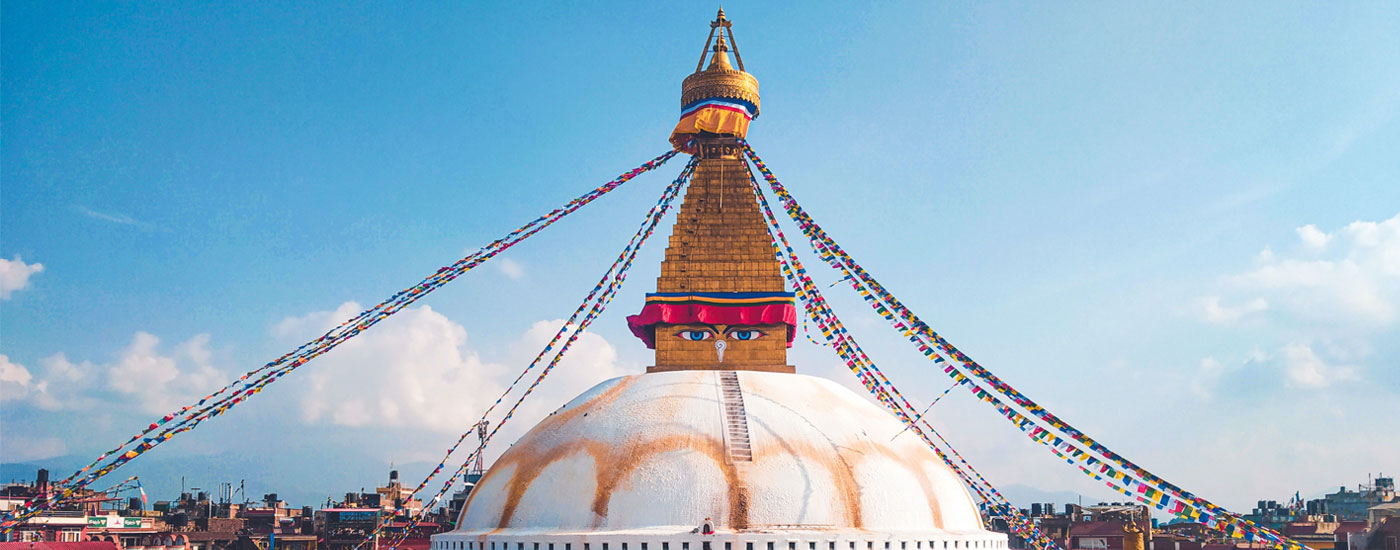
07 August 2027 (Saturday) Day 02: After breakfast, staring holy tour Kailashnath Saga and Doleshwar Mahadev Darshan. Afternoon visit Buddhist temple Boudhanath and Saktipith Guhjeswari temple and then drive to hotel.
08 August 2027 (Sunday) Day 03: After having your breakfast at Kathmandu, you will be taken for Rudra Abhishek, Hawan, Arati and holy Darshan in Pashupatinath Temple. It will be 2 and half program. Finish spiritual program in Pasupatinath, back to hotel, while rest, take Lunch and 2 PM.
09 August 2027 (Monday) Day 04: The Kailash Manasarovar Yatra begins from Kathmandu and ends in Dhulikhel, 29 kilometers away. Our journey begins in Bhaktapur, continues through Saga and Banepa, and ends in Dhulikhel. Kathmandu's Dhulikhel municipality lies east of Kathmandu in Bagmati Province's Kavrepalanchok District. When the weather is clear, this spot offers a view of the Himalayan Mountains of Everest region.
Mountain Views: The view of the Himalayan range is stunning, including Langtang Lirung, Dorje Lakpa, and Gauri Shankar.
Newari Culture: There is an old town area with stone-paved lanes, carved wooden windows, and courtyards that are typical of the region.
Fresh Air and Peace: In the midst of chaotic Kathmandu, this resort provides a quiet escape from the city's noise and traffic.
10 August 2027 (Tuesday) Day 05: Dhulikhel to Friendship bridge Kodari: Araniko Highway starts from Dhulikhel and goes to Panchal and Dolalghat, then follows the Sunkoshi and Bhote Koshi rivers to Barhabise and Tatopani, then ends at the Sino-Nepal Friendship Bridge in Kodari. By tourist minibus or deluxe bus, it takes approximately 4 hours to reach Dhulikhel, which is 85 kilometers away. Araniko Highway connects Kodari to Zhangmu and Nyalam along the Nepal-China border, making Kodari a major border town and trading post.
Through the Sino Nepal Friendship Bridge, the highway crosses the Bhote Koshi at the northern end of Kodari. Nepal is connected to China through the bridge via Zhangmu, where the road joins China National Highway. The high-altitude border town of Nyalam is located roughly 35 kilometers (22 miles) from Zhangmu, the border entry point of the Tibet Autonomous Region, China. The county seat and border town of Nyalam is located 3,750 meters (12,300 feet) above sea level in the Shigatse Prefecture of Tibet, China.
11 August 2027 (Wednesday) Day 06: Nyalam to Saga: In Tibet, the driving distance between Nyalam to Saga is approximately 250 kilometers (155 miles). The route passes near Peiku Tso Lake and passes through high-altitude terrain, including the Lalung La Pass. You'll get spectacular views of snow-capped Himalayan peaks and sparkling alpine lakes as you drive from Nyalam to Saga. The terrain changes from lush border mountains near Nyalam into vast, arid plateaus and valleys characteristic of western Tibet once you leave the greener border ranges. An ethereal, turquoise high-altitude lake reflected in clear blue skies by the surrounding giant peaks. Saga is near the Brahmaputra River (Yarlung Tsangpo), where you can cross or travel along its beautiful upper streams.
12 August 2027 (Thursday) Day 07: The trip from Saga to New Dongba, 160 km away, takes approximately three hours by Tibetan / Chinese tourist bus. Driving from New Dongba to Prayang along the G219 National Highway takes 95 kilometers, and the bus ride takes an additional two hours. It usually takes two hours from New Dong to Prayang City due to the altitude of the road and the Mayumla Pass. Depending on hotel availability, we'll stay in New Dongba or Prayang. The drive between Saga and New Dongba and Prayang crosses the stark Tibetan plateau.
A strong sense of spirituality, a nomadic lifestyle, and ancient chortens are a few of the highlights of the Trans-Himalayan culture. The Brahmaputra River is considered a sacred geographical and spiritual landmark in Tibetan and Himalayan pilgrimages. Saga to Prayang is approximately 255 kilometers away, and the journey takes about five to six hours. High, arid, and scenic Tibetan plains are traversed by a well-paved and high-altitude highway, but some sections are bumpy or unpaved, especially near towns and during melting season.
13 August 2027 (Friday) Day 08: There are about 390 kilometers between New Dongba and Darchen, while there are about 255 kilometers between Prayang and Darchen. There is a seven-to-eight-hour travel time between Dongba and Darchen, and six to seven hours between Prayang and Darchen. Through small towns, dramatic landscapes, and spiritual landmarks, the scenic National Highway G219 takes you on a journey through nature. This vantage point offers views of the Tibetan plateau, high altitude plains, and distant Himalayan peaks. There is a mountain pass located around 5,200 meters above sea level, called Mayum La Pass, which offers stunning views of the nearby mountains. Lake Manasarovar is a turquoise-colored lake high in the Himalayas that attracts pilgrims from all over the world. Acclimatization is necessary before beginning the Mount Kailash Kora (circumambulation). Overnight stay in Darchen.
14 August 2027 (Saturday) Day 09: Early in the morning start walking from Darchen to Serlung Gompa. Once we reach Serlung Gompa, in the next 10 minutes' walk, we reach Ashtapad. There we see the Ashtapad, a spectacular mountain Amphitheatre at the base of Mount Kailash. Walk to Sapta Rishi cave, Darshan Atmalingam, visit Sapta Rishi cave & Darshan Sapta Rishi Cave. Nandi Kora is not easy; we need to be very fit for walking & rock climbing near the Sapta Rishi cave. Here we can see Sapta Rishi cave and 13 Chhurten. After the 10 minutes climb up and then can see Sardung Chuksum La pass 5858m.
We need mountain guides for this trip and they will put rope and carry some emergency oxygen for the Yatri / travelers. You will feel easy for doing this trip with professional mountain guides. After the Nandi Kora, we will return to Serlung Gompa and then continue to Darchen to spend the night. Serlung Gompa -Saptrishi Cave/ Atman Lingam / Nandi Parikrama is 13 kilo meters far. As described in the Hindu myth, a person who moves around the Kailash Parbat, we will be free from all the sins committed in life. It is believed that if they move round the Parbat for 108 times, they directly get Nirvana. It is also said a person who moves Nandi once, gets an equal fruit of rotating the Kailash for 13 times.
15 August 2027 (Sunday) Day 10: Drive from to Tarboche (Yam Dwar -gate for the God of Death). From Yam Dwar, our journey starts by walking to Dirapuk (4890 meters - 11 kilometers) a Monastery. Here some Yatri can take either a pony or some local porters for 3 days. (If you take pony & porter) You should tell in Manasarovar Lake and Tibetan guide will be managing all before starting the Kora. If you take a pony for round Kailash, much and much easier for doing Yatra Tour, this is the first day of Kailash Parikrama. We should start our journey after breakfast as early as possible. This day, we have to walk continuously for about 5 to 6 hours. Yak will carry all our goods and equipment, From Dirapuk, you can see Mt. Kailash north face is much closed, looks Shiva god staying there. There we stay at Dirapuk mud ouse/Guesthouse.
16 August 2027 (Monday) Day 11: The distance of Shivasthal to the basement of Khangde Shangla Pass 5,675m. Is approximately 3-4 hours where you can see Glacier. After one hour walking through glacier you need to take the help of rope to get Khangde Shangla pass through steep climb. The elevation of Khangde Shangla pass is 5675m from the sea level. A little comfortable walking from there you can view Kuber Parvat [5998m]. Another 10 minutes' walk approaches you to see Kuber Kund [lake]. If you want to feel or receive holy water of Kuber Kund or pay homage you need to turn right from the normal route. Mt. Kuber and Kuber Kund are the best places for pilgrims’ ecstasy in the region. After getting down from Kuber Kund the road is connected with Dolma La or Dorma La that leads to reach to Zuthulpuk.
You can also have chance to see the top of Mt. Kailash from Southwestern side from here which is the last location for it. Usually, pilgrims and tourists reach to Chiu Gompa that is located near Manasarovar Lake via Darchen. Having mountain guide and oxygen is essential for this trip. Similarly, arrangement of rope is obligatory, in order to cross Khangde Shangla pass. Since the journey of Sapta Rishi Cave and Khangde Shangla Pass is very difficult not all the pilgrims can complete it. But Monterosa Treks and Expedition Pvt. Ltd. make it easier and possible for all pilgrims and tourists because we provide all necessary equipment. Instruments like rope, Ice Axe, Ice-bar, Helmet, Jumar, are essential because this equipment make your journey easier when snow falls on the way.
17 August 2027 (Tuesday) Day 12: A light breakfast is served at Zuthulpuk, followed by three hours of walking to Chongdo and a drive to Darchen. Ngari Prefecture's Barga village (also known as Barkha) is a major crossroads in western Tibetan territory. The junction of Mount Kailash, Lake Manasarovar, Purang, Chiu Monastery, and Hor is about 22 kilometers south of Darchen. The Manasarovar Kora journey begins at Barga village, then passes through Hor, Top Hills, where Rakshas Lake and Manasarovar Lake can be seen, along with Chiu Gompas. Chiu Monastery is situated on the top of the hills near Rakshas Lake and Manasarovar Lake, and you can see eight Buddhist monasteries on the way up. Lake Manasarovar will no longer be available for pilgrims to take holy dips after 2018 AD. Upon reaching the lake, pilgrims will receive holy water and can bathe in holy water. The shrine performs three rituals: Rudrabhishek, Rudra Hawan, and Aarti Pooja, all performed by Nepalese pandits.
The Shiva Lingam is ceremonially bathed in sacred liquids while powerful mantras are chanted during Rudrabhishek, a sacred Hindu ritual. As part of this ritual, the Sri Rudram is recited alongside panchamrit and Manasarovar Jaal. The Hindus believe that visiting Lake Manasarovar on a full moon night is auspicious and spiritually powerful. There is a belief that visitors and pilgrims have deep spiritual experiences when they see the full moon's reflection on the lake's surface. When the full moon shines in the evening, Manasarovar Lake will reflect the lights reflected by the moonlight. Full Moon Night in Manasarovar
Rudrabhishek in Manasarovar: There is an auspicious ritual on the evening before the full moon when Nepali Braman Pandits perform Rudrabhishek and Hawan rituals.
Khojarnath Temple: Khojarnath is a small Tibetan village located 85 kilometers south of Lake Mansarovar, containing the Khojarnath temple. It was during the Treta Yuga that Lord Rama, Sita Mata, and Lakshmana spent a night here while on a pilgrimage to Kailash Mansarovar. After traveling 170 kilometers in a Jeep round trip from Mansarovar Lake, there are images of Rama, Sita, and Lakshman in this temple. Bidding takes place every day here. The temple is located in the Tibet Autonomous Region of China.
Manasarovar & Monastery: in Manasarovar & Monastery one of the guest houses or one of the mud houses below the Chiu monastery, you can spend the night. Chiu Gompa (or Chiu Monastery) is a sacred Tibetan Buddhist monastery located on a steep rocky outcrop overlooking Lake Manasarovar. Kailash Manasarovar Yatra passes through this ancient meditation cave constructed by Guru Rinpoche. Manasarovar Lake is located just 500 meters away from Gurla Mandata Monastery, which offers spectacular views of Mt. Kailash and Mount Gurla Mandata.
Rakshas Tal (Demon King Ravana Lake) Sarovar: As per Hindu tradition, this Lake is named after a Himalayan Lake. According to Hindu mythology, dark water hides carnivorous monsters. This belief led people to avoid this Lake, believing it to be a symbol of dark, destructive forces. This Lake's water is described as poisonous and deadly in a traditional religious story. The poisonous water of Manasarovar was therefore replaced by a tunnel from this Lake. The purity of this Lake led to the introduction of a golden fish into it. It was later discovered that this fish was still alive. In fact, it changed people's negative attitude towards the Lake and they started walking closer to it, but they still don't drink its water. According to Hindu mythology, Ravana made Lord Shiva happy by meditating in this Lake. It is situated at an altitude of 4,540 meters above sea level. There are many birds in Manasarovar, including ducks but not in Rakshas Lake.
Holy Hot Spring Place of Traditional: At the bottom of Chiu Monastery, an ancient monastery near Lake Manasarovar, there is a natural hot spring. There are thermal springs at Chiu Gompa that provide ritualistic bathing and spiritual renewal, and the water is believed to be healing. The natural hot water baths at Manasarovar are now protected by Tibetans and include a small bathhouse and payment system.
18 August 2027 (Wednesday) Day 13: Drive Chiu Gompa to Barga Village, which is 10 kilometers away from Manasarovar Lake, to complete the Manasarovar Kora. From Hor Place, we take in the last views of Mount Kailash and Holy Lake Manasarovar on our way home. From Hor Place to Saga Bazaar, you pass through Prayan, New Dongba, and then Saga Bazaar.
19 August 2027 (Thursday) Day 14: Drive Saga Bazaar to Nyalam valley and overnight stay. Today is last date of Tibet.
20 August 2027 (Friday) Day 15: Drive to Nyalam valley to friendship bridge after breakfast. After completing customs and immigration formalities on both the Tibet and Nepal sides, we continue our drive to Kathmandu. On the way back to Kathmandu, you will have lunch. Your hotel will be dropped off to you in Kathmandu.
21 August 2027 (Saturday) Day 16: From the hotel, you will be taken to the airport for your final departure.
 Tour Cost for (NRIs) Foreigners/ tourists
Per Person USD 3500 (Double / Twin room Sharing)
Per Person USD 4200 (Single room using)
Extra cost if required for Kailash Circuit
Horse ride during the Parikrama 1 horse for 3 days USD 400
(Directly payable to the Tibetan guide)
Porter for carrying small bag for 3 days round Kailash USD 200
 Tibetan guide, Nepali team leader speak in English & Hindi
 All kinds of personal expenses
Om Namo Shivaya ! Jaya Bhole Nath !! Har Har Mahadev!!!
What our client's says about Kailash yatra and tour operator





monterosa-nepal.com nepalexpedition.com
© kailashtourpackage.com - 2026
Online Payment 
Terms & Conditions
Site Design By: Webdesigninnepal.com